7 Tips to Maximize Your Water Damage Insurance Claim
A water damage claim is won or lost in the first few hours, mostly through documentation that takes minutes to capture and is impossible to recreate later. Charlotte homeowners routinely accept settlements well below what their policy actually owes, not because the carrier acted in bad faith, but because the scope was never documented in enough detail to argue from.
These seven steps are the ones that consistently change the outcome.
Key Takeaways
- Photograph and video everything before you move, clean, or remove anything.
- Most policies require you to prevent further damage, so mitigation protects your claim as well as your home.
- Sudden and accidental damage is typically covered; gradual leaks and rising flood water usually are not.
Document Everything Before Cleanup Starts
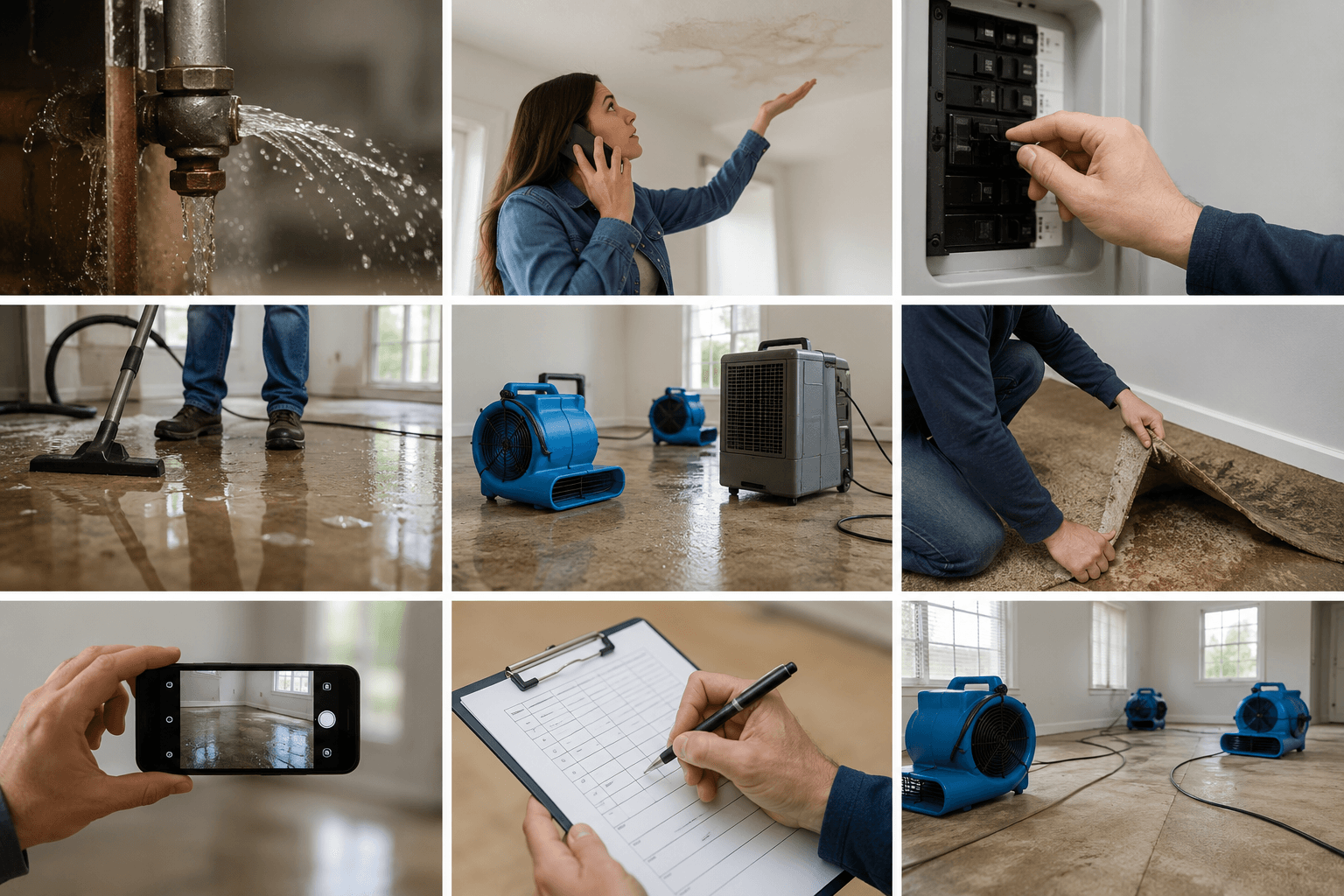
This is the step with the highest return and the shortest window. Before you move furniture, pull carpet, or run a single fan, photograph and video every affected room from multiple angles. Capture the source of the water, the standing water itself, the ceiling and wall surfaces, the flooring, and every damaged belonging.
Get serial numbers and model numbers on appliances and electronics. Write down the date and time you discovered the damage. Once mitigation starts, the evidence of the original condition is gone, and an adjuster who arrives three days later is looking at a partially dried room.
Report the Claim Promptly
Call your carrier as soon as the immediate safety issues are handled. Open the claim, record your claim number, and get the adjuster's name and direct contact.
Prompt reporting matters for two reasons. Policies carry notice requirements, and a delayed report invites the argument that the damage worsened because you waited. It also starts the clock on the carrier's own timelines.
Understand What Your Policy Actually Covers
The distinction that governs most water claims is sudden and accidental versus gradual. A supply line that bursts is typically covered. A drip under a sink that ran for eight months and rotted the cabinet base is usually treated as a maintenance failure and excluded.
Flood is a separate category entirely. Standard homeowners policies exclude flood, which is why the National Flood Insurance Program exists as separate coverage. If water entered your Charlotte home from a rising creek or overwhelmed storm drainage rather than from a failed pipe, coverage depends on whether you carry a flood policy.
Mitigate, Because Your Policy Requires It
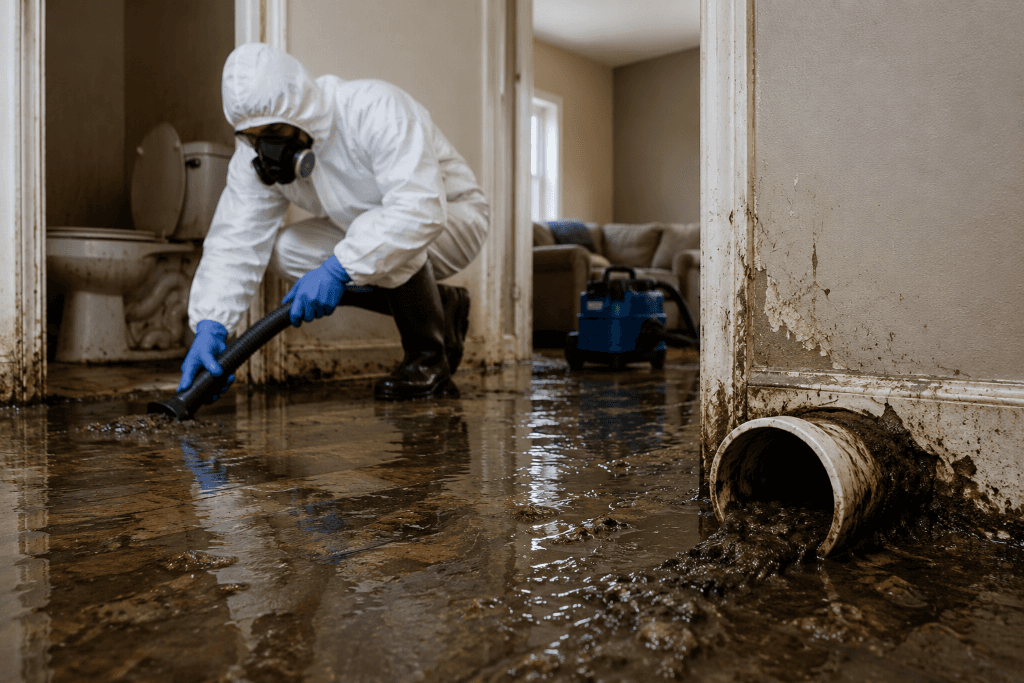
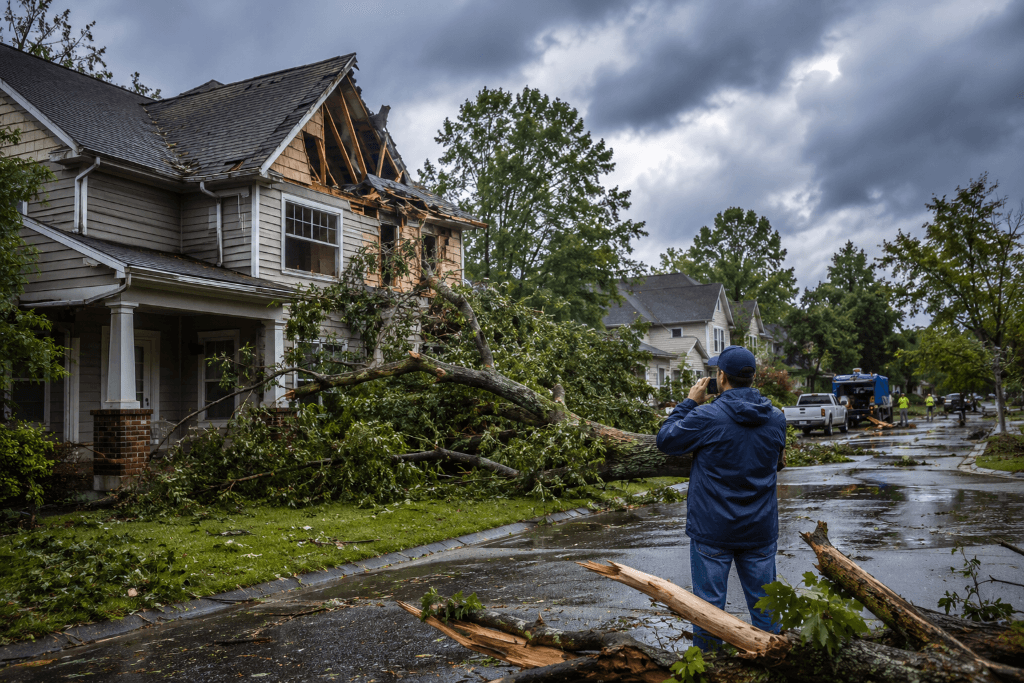
Nearly every homeowners policy places a duty on you to protect the property from further damage. That is not optional language. Tarp a breached roof, board a broken window, shut off the water, and get extraction and drying started.
This cuts both ways in your favor: it limits the loss, and it demonstrates compliance with the policy. It also matters technically, because water categories degrade over time under the IICRC S500 standard, and a delay can turn a clean-water loss into a contaminated one, which changes what can be salvaged.
Keep Every Receipt
Track everything you spend as a result of the loss. Tarps, plywood, fans, dehumidifier rental, a wet vac, temporary lodging, meals if the kitchen is unusable, and mileage if you are commuting from a hotel.
Many policies include additional living expenses coverage that homeowners never claim simply because nobody kept the receipts. Photograph them as you go rather than trusting a shoebox.
Insist on a Line-Item Estimate
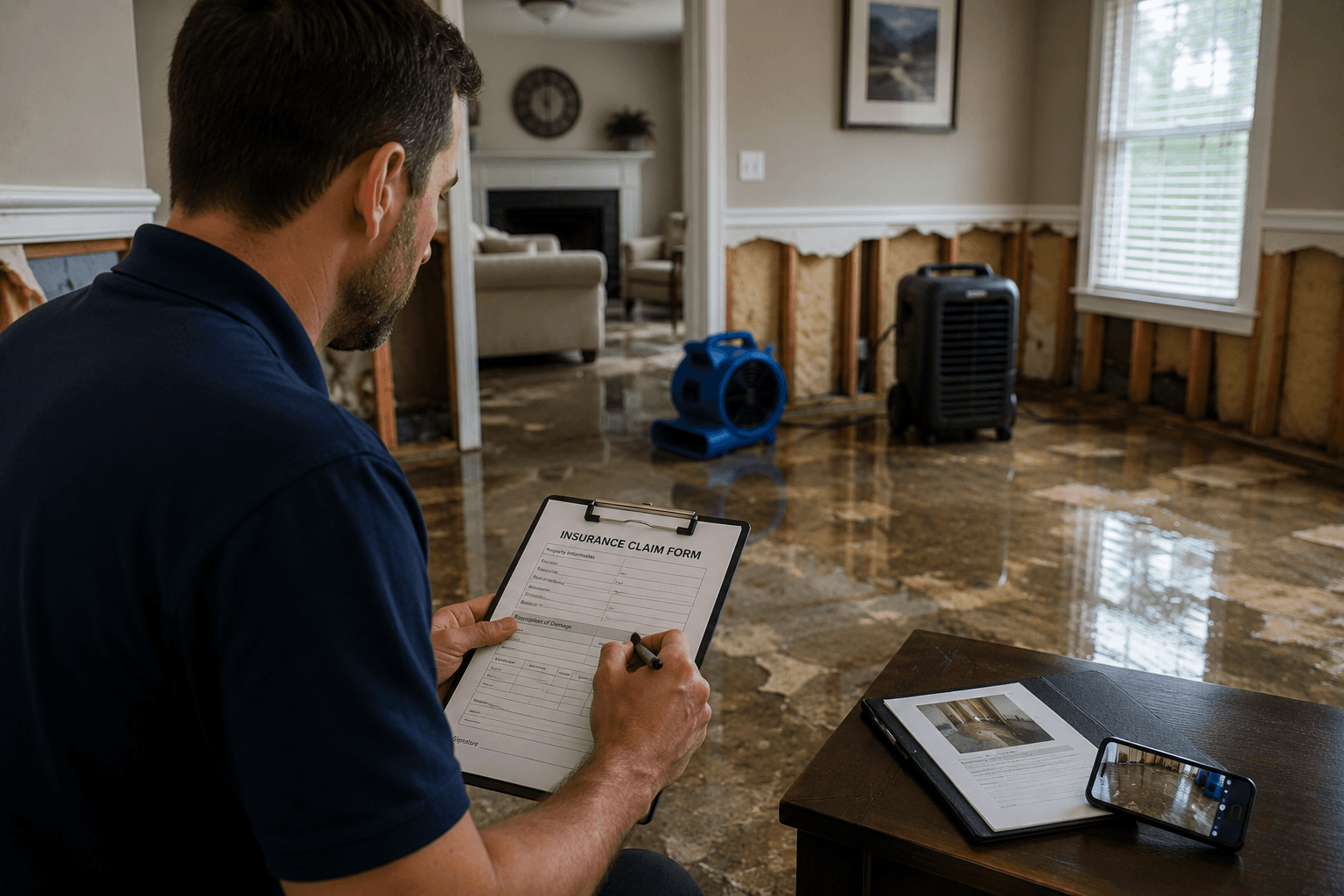
A lump-sum figure is difficult to negotiate. A line-item estimate broken out by room, material, labor, and equipment can be compared directly against the carrier's own numbers.
Most carriers use Xactimate pricing, and a restoration contractor who writes estimates in the same format is producing a document the adjuster can evaluate on its own terms. Where a line is missing or a quantity is short, the conversation becomes specific rather than adversarial. Our team writes documented, line-item scopes for exactly this reason; see our insurance claims page for how that process works.
Do Not Accept the First Offer If the Scope Is Wrong
An initial offer reflects what the adjuster observed and recorded, which frequently misses what is inside the wall cavity, under the flooring, or behind the cabinet run.
If your contractor's moisture readings show saturation the estimate does not account for, submit the readings, the photographs, and the revised scope, and ask for a supplement. Supplements are a routine part of the process, not a dispute. Documented evidence is what moves them.
Frequently Asked Questions
How long do I have to file a water damage claim?
Policies vary, and the requirement is usually framed as prompt notice rather than a fixed number of days. Report as soon as you reasonably can, because delay weakens both the claim and the argument that damage did not worsen while you waited.
Will filing a water damage claim raise my premium?
It can, and carriers weigh claim history differently. For a significant loss the coverage generally outweighs the premium effect, but for damage close to your deductible the math is worth doing first.
Does homeowners insurance cover mold?
Coverage is often limited and sometimes capped. Mold that results directly from a covered sudden loss is more likely to be covered than mold from a long-running leak, which is another reason fast drying matters.
Should I use the contractor my insurance company recommends?
You are generally free to choose your own contractor. A preferred-vendor referral can be convenient, but the contractor works the job either way, and you may want one whose documentation is written to support your scope.
Filing a Water Damage Claim in Charlotte?
The homeowners who recover the most are simply the ones with the best record of what was damaged and what it took to fix it.
Our Charlotte team documents moisture readings daily, writes line-item estimates, and works directly with adjusters. Start with our water damage restoration service or read more about how we handle insurance claims.