Sewage Backup Cleanup in Charlotte: Health Risks and First Steps
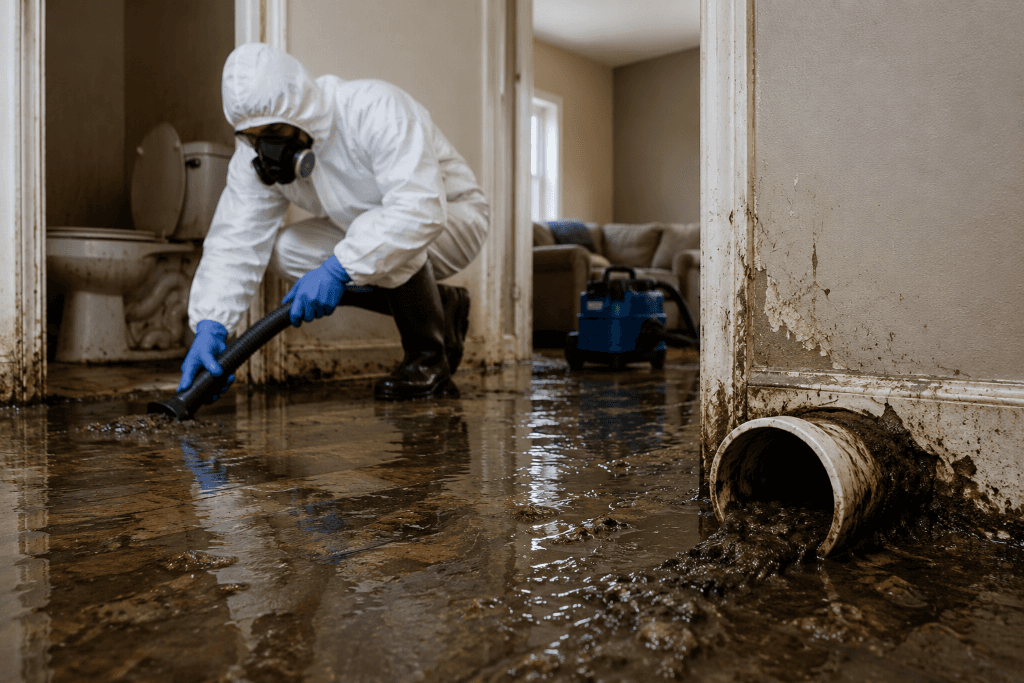
Few home emergencies are as alarming as sewage backing up through your drains. For Charlotte homeowners, it is more than a foul mess: the water coming up is a biohazard that can make your family sick.
This guide walks you through a sewage backup in Charlotte: why it is so dangerous, what to do in the first minutes, how professional cleanup works, and when this is a job you should not handle alone.
Key Takeaways
- Sewage is category-3 black water full of bacteria and viruses; keep people and pets away.
- Stop using water, cut power to the area if safe, and call a plumber and cleanup pro right away.
- Soaked porous materials usually must be removed, and the area dried within 24 to 48 hours to stop mold.
Why Sewage Backup Is So Dangerous
Sewage is classified as category-3 black water, the most contaminated class. It carries bacteria, viruses, and fecal material that cause illness through direct contact or the air. Per CDC flood and sewage safety guidance, this water demands protective gear and caution. It also soaks into anything porous it touches, spreading contamination through your Charlotte home as it goes.
First Steps: Protect Your Family
The moment you spot a backup, stop using water everywhere so you do not add to it. If it is safe to reach, cut power to the affected area. Keep family and pets out, and do not wade in or scrub without full protective gear. Open a window only if it does not spread contamination, and call a plumber and a cleanup professional right away.
The Sewage Cleanup Process
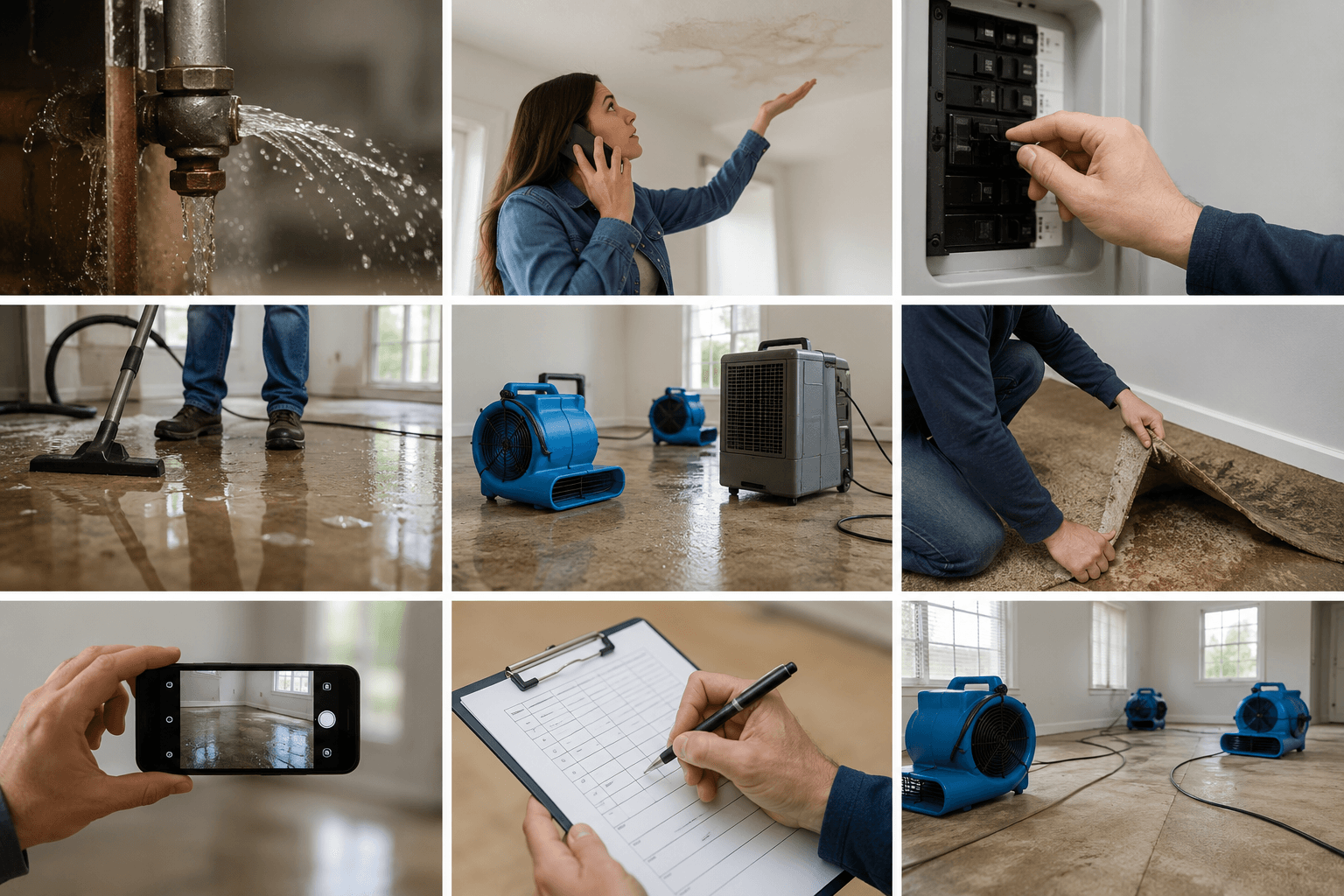
Cleanup follows a clear order. First, drain or pump out the standing sewage. Next, remove debris and porous materials that soaked it up. Then wash hard surfaces with detergent and disinfect them, using a bleach-and-water solution of about one cup of bleach per gallon. Finally, dry the structure completely. Glass, metal, tile, and sealed surfaces can usually be saved and disinfected.
What Has to Be Removed
Household cleaning cannot safely handle category-3 water. Porous materials that absorb sewage, like drywall, carpet, and padding, usually have to be removed rather than cleaned. Drying matters on a deadline too. Per EPA guidance on cleaning up water damage, the area must be dried within 24 to 48 hours to stop mold, which takes hold fast in Charlotte's humidity.
Why Professional Cleanup Matters
A trained crew assesses and contains the area in protective gear, extracts the contaminated water, and removes what cannot be salvaged. They disinfect hard surfaces with hospital-grade products, dry the structure, and deodorize. Then they verify the space is safe. This is what turns a biohazard back into a livable Charlotte home, without exposing your family to what you cannot see.
Preventing Future Backups in Charlotte
Once the mess is handled, a few steps lower the odds of a repeat. Avoid pouring grease down drains and flushing wipes, even flushable ones. Have your sewer line inspected if your Charlotte home is older, since roots and cracks invite backups. Consider a backwater valve, which blocks sewage from flowing back into your home when the main line surges during heavy rain.
Frequently Asked Questions
What should you do immediately after a sewage backup?
Stop using water, cut power to the area if safe, and keep people and pets away. Avoid contact, and call a plumber and a cleanup professional right away.
Is it safe to stay in a house after a sewage backup?
Not until it is cleaned and disinfected. Sewage is category-3 black water full of bacteria and viruses, so keep everyone away from the contaminated area.
How do you clean up after a sewage backup?
Drain the sewage, remove soaked porous materials, then wash and disinfect hard surfaces with a bleach solution of about one cup per gallon. Dry the area fast and wear protective gear.
Can I clean a sewage backup myself?
Small, fresh spills on hard surfaces may be manageable with full PPE. Larger or soaked-in backups need professional containment, removal, and disinfection.
Sewage Backup in Your Charlotte Home? Act Now
Sewage backup is a biohazard, not a routine cleanup. The pathogens you cannot see and the mold that follows make this a job for trained pros with the right gear and disposal.
When a backup hits, our sewage cleanup team in Charlotte at Johnston Environmental responds fast with containment, safe extraction, removal of contaminated materials, disinfection, and structural drying. We make Charlotte homes safe and livable again.