Storm Damage Restoration in Charlotte: First Steps After Severe Weather
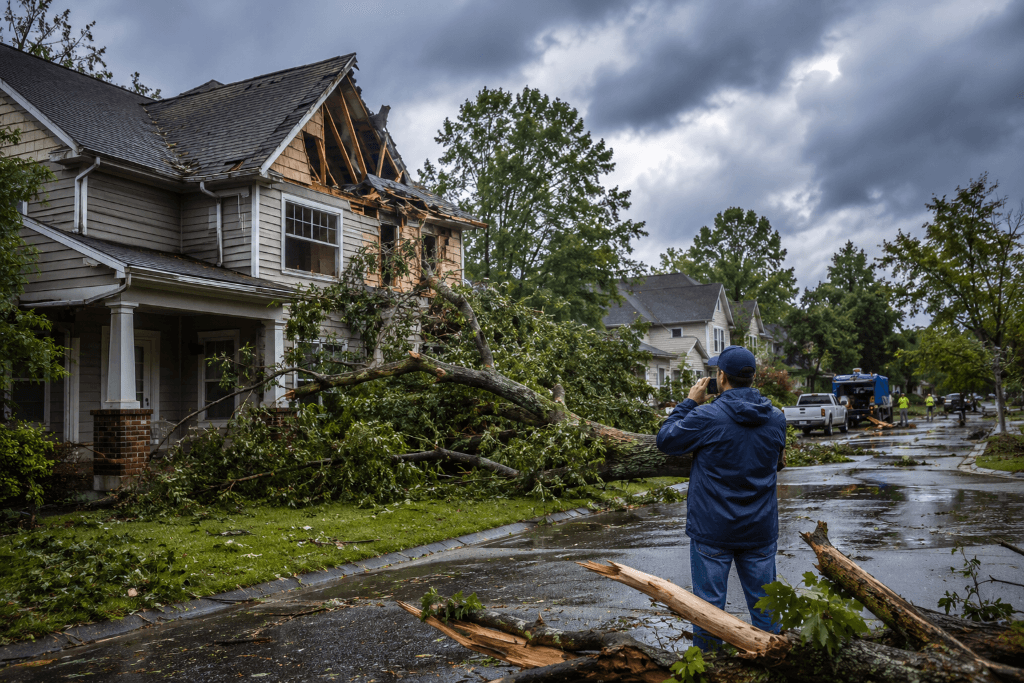
Charlotte sees its share of severe weather: summer thunderstorms, high winds, hail, and the rainy remnants of tropical systems. When a storm damages your home, the first steps you take protect your safety, your home, and your insurance claim.
This guide walks Charlotte homeowners through what to do after storm damage: how to stay safe, document the loss, prevent further damage, and get your home restored.
Key Takeaways
- Make sure it's safe before re-entering; watch for downed lines, gas leaks, and structural damage.
- Document everything with photos and video before cleanup, then file your claim promptly.
- Prevent further damage with tarps and board-up, which your policy expects you to do.
Step 1: Make Sure It's Safe
Before anything else, confirm your home is safe to enter. Watch for downed power lines, gas leaks, and structural damage from wind or fallen trees. Per National Weather Service safety guidance, after a storm you should notify the gas company and authorities if you smell gas, and avoid lights or flames until the home is cleared. If in doubt, stay out until officials say it's safe.
Step 2: Document the Damage
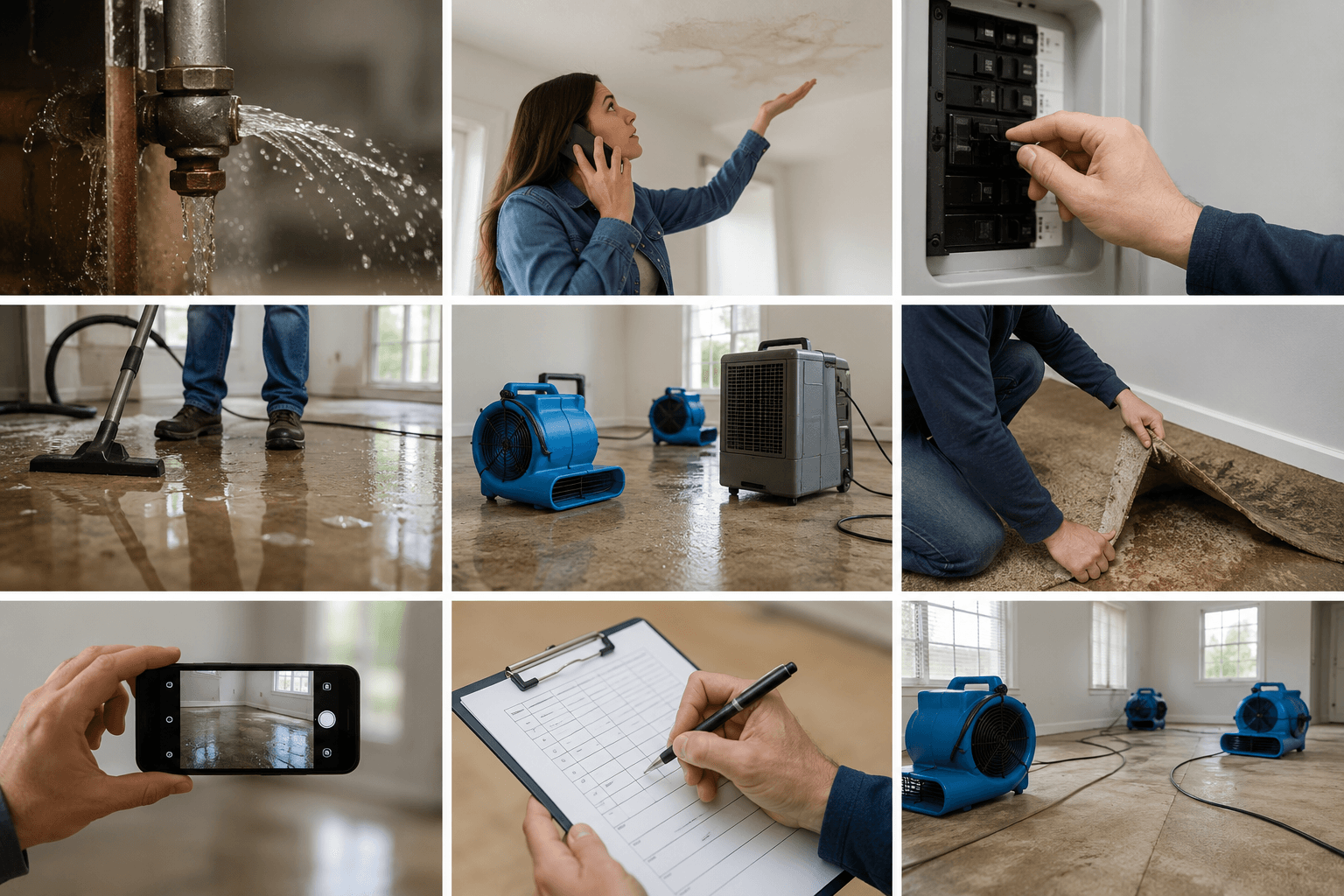
Before you move or clean anything, document it. Take clear photos and video of every damaged area, inside and out, including the roof, windows, siding, and any water intrusion. This record is the backbone of your insurance claim. Make a written list of damaged belongings too. The more thorough your documentation, the harder it is for a carrier to reduce your Charlotte payout.
Step 3: Prevent Further Damage
Once it's safe and documented, stop the damage from spreading. Tarp damaged roofs to keep rain out, cover broken windows with plywood or plastic, and shut off utilities to affected areas if needed. Per Ready.gov's severe weather guidance, acting quickly to limit further loss is key. Most insurance policies actually require you to prevent additional damage, so this step protects your claim too.
Step 4: File Your Insurance Claim
Call your insurance company as soon as you can. Open the claim, ask what's covered, and record your claim number and adjuster. Most policies have a filing deadline, but prompt reporting speeds your repairs and strengthens your case. Keep receipts for tarps, board-up, and temporary lodging. A documented, line-item restoration estimate helps your insurance claim hold up.
Step 5: Start Restoration Fast
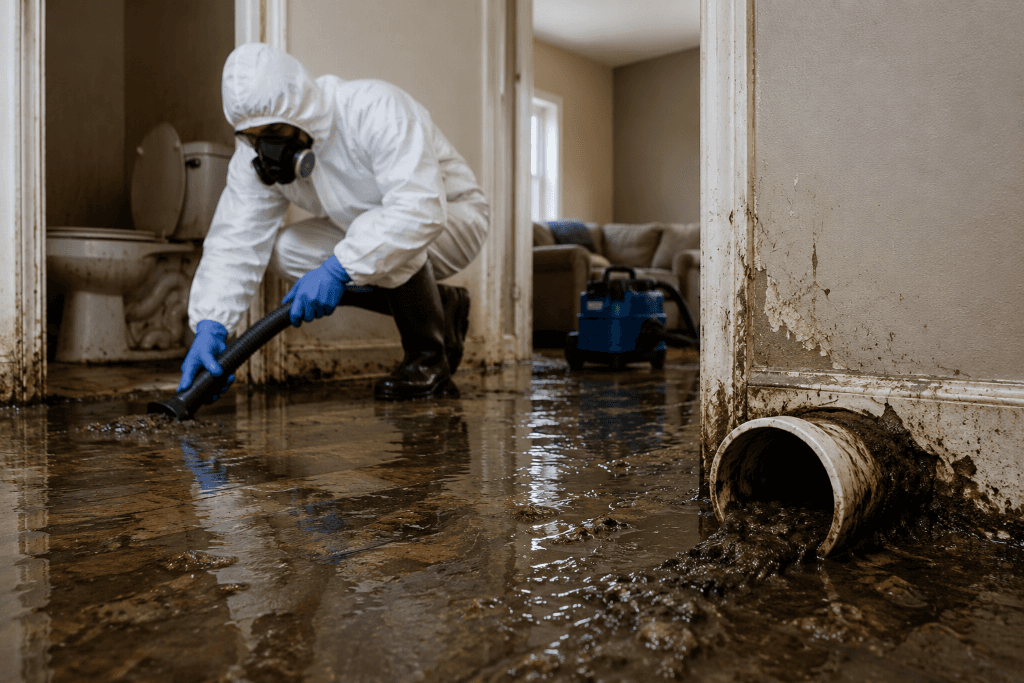
Storm damage rarely waits. Water that gets in through a damaged roof or window soaks into drywall and flooring, and in Charlotte's humidity mold can start within 24 to 48 hours. The faster the home is dried and repaired, the less the damage spreads. A restoration crew handles emergency tarping, water extraction, structural drying, and the repairs that get your home back to normal.
Common Charlotte Storm Damage
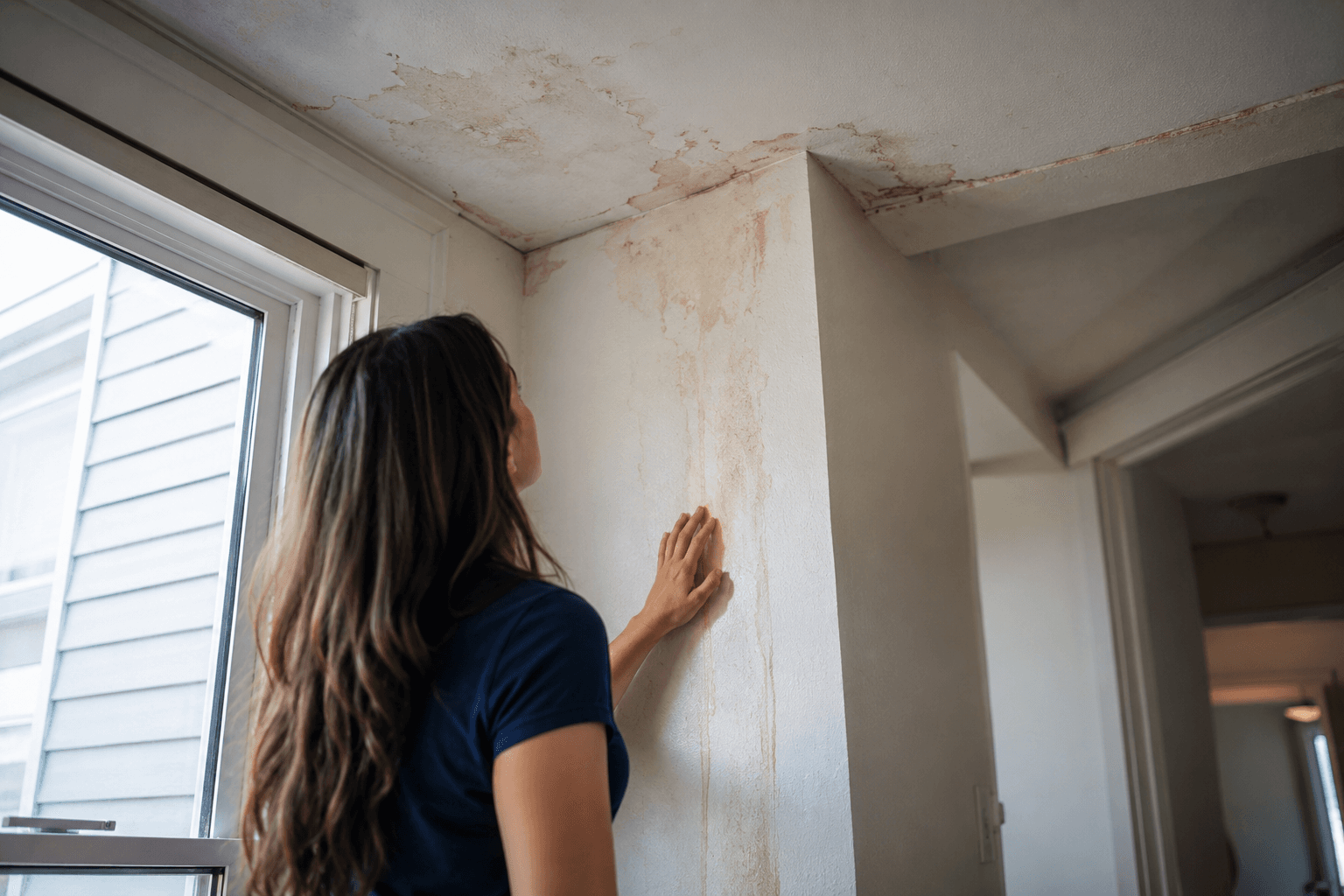
Knowing what to look for helps. Charlotte storms commonly bring wind-damaged or missing shingles, hail dents and punctures, fallen-tree impacts, broken windows, and water intrusion through the roof. Some damage is obvious; some, like a small roof breach, hides until water shows up on a ceiling. A professional inspection catches the hidden damage before it becomes a bigger problem.
Frequently Asked Questions
What should you do after storm damage to your house?
Make sure it's safe, document the damage with photos and video, prevent further damage with tarps and board-up, and contact your insurer right away.
How long after storm damage can I file a claim?
File as soon as you can. Most policies have a deadline, but prompt reporting strengthens your claim and speeds repairs.
How do you prevent further damage after a storm?
Cover broken windows, tarp damaged roofs to stop water intrusion, and shut off utilities if needed. Most policies require you to limit additional damage.
Does storm water damage cause mold?
Yes. Water that gets in can grow mold within 24 to 48 hours, especially in Charlotte's humidity, so fast drying is critical.
Storm Damage at Your Charlotte Home?
The first moves after a storm — staying safe, documenting, and stopping further damage — set up everything that follows. Acting fast protects both your home and your claim.
When severe weather hits, our team for storm damage restoration in Charlotte at Johnston Environmental responds with emergency tarping, water extraction, and structural drying. We help Charlotte homeowners recover quickly and document the loss for your insurance claim.